Starting an Amazon Brand in 2026: A Readiness Checklist
The year alone cannot tell you whether to start an Amazon brand. The more useful question is whether you have a credible product opportunity, a realistic budget and a plan for operating the business after launch.
Use this checklist to test your readiness. It applies whether you are exploring a new brand or comparing that route with buying an existing business. Neither is a shortcut to guaranteed income.
1. Understand what Amazon will—and will not—do
Fulfillment by Amazon can handle storage, order fulfillment, customer service and returns for eligible products. It does not choose your product, establish its profitability or remove your responsibility for the business.
You still need an offer customers want, accurate listings, reliable suppliers, inventory planning and control of operating costs. Confirm current product, account and fulfillment requirements before committing capital.
2. Validate a specific opportunity
Study the customer problem, current alternatives, pricing, seasonality and feedback. Look for a clear reason someone would choose your product rather than assuming high category sales will translate into sales for your brand.
Competition is a factor to investigate, not a universal yes-or-no rule. A familiar brand, a low-priced supplier or a well-reviewed listing can change the work required to compete. Your plan should explain how you will test the proposed difference.
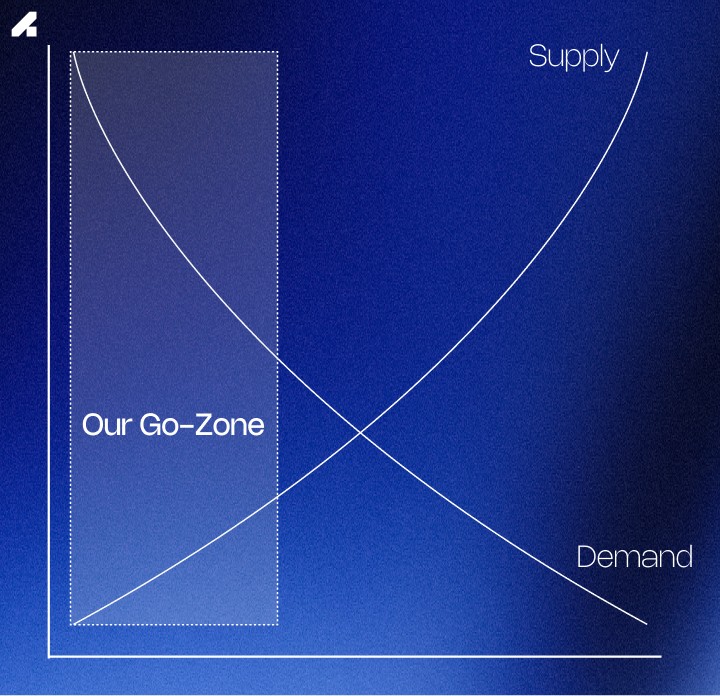
This is a conceptual illustration, not current market data or a prediction of sales. Validate the opportunity with product-specific evidence.
3. Budget for the complete operating cycle
Include development, samples, packaging, inventory, freight, applicable duties, platform fees, creative, advertising and ongoing operations. Review Amazon's current selling-fee overview and obtain quotes for costs outside the platform.
Estimate the cash needed before launch and through replenishment. Test slower sales, higher costs and a delayed shipment. Do not equate a positive per-unit margin with cash available to withdraw.
The required budget depends on the product, order quantities, operating model and transaction. A generic startup figure is not a substitute for a scoped plan, and money needed for essential obligations should not depend on an uncertain launch outcome.
4. Decide who will do the work
Document responsibilities for supplier coordination, quality checks, creative, inventory, advertising and reporting. If a partner handles operations, understand the agreed scope, fees, approval rights and what you still need to fund or decide.
Set practical review points. What evidence will justify another inventory order? Who responds to quality problems? When would you change the offer, reduce spending or pause a product?
Good reporting connects sales to costs, customer experience and cash needs. It should help you make decisions, not simply display a growing revenue total.
5. Compare buying with building
Brand Launch: develop a new offer from research through product, creative, packaging, launch and ongoing management. Review Angora's Brand Launch process.
Acquisition: evaluate an existing brand and its operating records, verify the deal and plan the transition. Review Angora's Acquisition process.
Starting from an existing business can provide evidence to investigate; starting a new brand provides a different development path. Both require capital, execution and risk tolerance. Proceed when the evidence and responsibilities make sense for your circumstances—not because the calendar or a success story creates urgency.


